Stop Harmful Seabed Mining in the Pacific Ocean
Surfrider is urging the Trump administration to reject an application by the Metals Company for harmful seabed mining in the Clarion Clipperton Zone.
The deep sea is NOT for sale. Stand with Surfrider to stop harmful deep-sea mining in the Pacific.
Submit a Comment by October 19 Surfrider’s action alert makes it easy to submit your comment to NOAA in just a few minutes
Join “Speak Up for the Deep” — October 8 at 9 a.m. HST
Join Surfrider and coalition partners for a virtual rally to learn more and prepare for NOAA’s October 13 virtual public hearing. Register for the Virtual Rally
The National Oceanic & Atmospheric Administration (NOAA) is currently reviewing a consolidated application submitted by The Metals Company USA to conduct deep-sea mining exploration and commercial recovery across approximately 65,000 km² of the Clarion-Clipperton Zone, an area beyond national jurisdiction. Located between Hawai'i and Mexico, this sensitive marine ecosystem is a biodiversity hotspot that could be irreparably harmed by the industrial-scale mining of minerals from the ocean floor. Advancing this proposal would undermine the international framework established by the United Nations Convention on the Law of the Sea and the authority of the International Seabed Authority (ISA).
NOAA has opened a comment period until October 19 and is holding a virtual public hearing on October 13, giving members of the public an opportunity to provide feedback on the application. See guidance below to submit your official comment!
More Background
NOAA's review of the The Metals Company application is part of a broader federal effort to fast-track deep-sea mining approvals in both U.S. federal and international waters. On January 21, 2026, the Trump administration finalized a rule to fast-track seabed mining in international waters without critical environmental review, contradicting the ongoing efforts of the ISA. Added to seabed mining initiatives advancing in American Samoa and the Mariana Islands, we are witnessing a rapidly accelerating gold rush to industrialize the Pacific’s deep ocean.
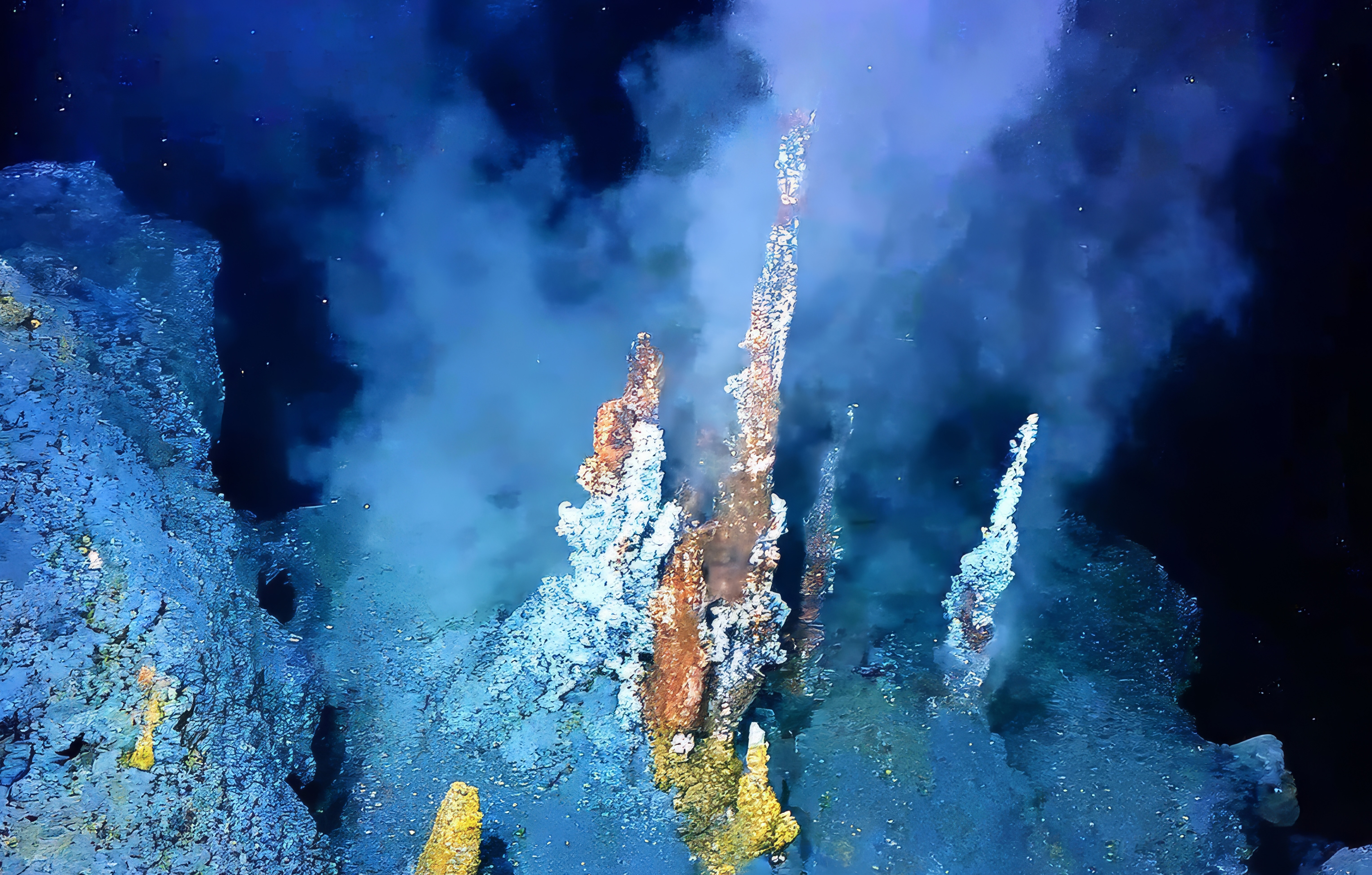
Seabed mineral extraction, also referred to as deep-sea mining or seabed mining as it's more commonly known, involves industrial-scale prospecting for metals and other minerals along the ocean floor. Such activity damages habitats that nurture commercially and recreationally important fish. Seabed mining also creates sediment clouds that can smother and negatively impact the feeding and reproduction of other marine life, including plankton, groundfish, salmon, and forage fish. These sediment clouds, and associated noise, may also negatively impact whales, dolphins, and other marine mammals.
Why the Clarion-Clipperton Zone Matters to Hawaiʻi and the Pacific
The Clarion-Clipperton Zone is a vast stretch of deep ocean in the central Pacific covering about 4.5 million square kilometers- more than ten times the size of California. The CCZ, roughly 500 miles southeast of Hawaiʻi, is part of the same Pacific ocean system that shapes Hawaiʻi’s waters, fisheries, and climate. Ocean currents and migratory species link this region directly to Hawaiʻi- what happens there directly affects the islands.
The Clarion-Clipperton Zone is part of a vertically connected ocean system, stretching from the deep seabed to the surface, that plays a critical role in storing carbon and supporting Pacific food webs, including the tuna fisheries vital to Hawaiʻi’s economy and food security. In Hawaiian knowledge systems, the deep ocean is not an empty or distant place, but a source of life and connection. Caring for the ocean is understood to extend from the shoreline to the deepest waters. Damage caused by deep-sea mining across a region this large would not stay confined to one place; it would ripple across the Pacific, threatening ocean health and island communities that depend on a healthy, functioning ocean.
Science Shows Deep-Sea Mining Threatens Ocean Food Webs
Scientific research led by the University of Hawaiʻi shows that deep-sea mining in the Clarion-Clipperton Zone would cause harm far beyond the seafloor. Mining operations generate large sediment plumes that would be released into the midwater “twilight zone,” where many ocean species feed. These plumes dilute natural, nutrient-rich food particles with low-quality sediment, disrupting the base of the marine food web. Recent research shows that midwater mining plumes could trigger cascading, bottom-up ecosystem impacts—extending from plankton and small fish to larger fish and marine predators, including species critical to Pacific fisheries. A separate study found that deep-sea mining could significantly increase extinction risk for deep-sea sharks, rays, and chimaeras—slow-growing, long-lived species that are especially vulnerable to disturbance and population collapse.
Talking Points
- I strongly oppose The Metal Company USA, LLC's application for seabed mining in the Clarion-Clipperton Zone for the following reasons:
- This proposal is reckless and unnecessary: It prioritizes short-term industry gain over the long-term health of the ocean.
- Combined exploration and recovery permits: Allowing a single application bypasses a critical exploration phase needed to establish environmental baselines and conduct full reviews, bypassing transparency.
- Risks to fragile ecosystems: The deep sea is the Earth’s least explored ecosystem, incredibly fragile, and home to unique and undiscovered species. The Deep sea is remarkably biodiverse and provides vital services like carbon storage and nutrient cycling. Mining scars, such as those on the Blake Plateau, show no recovery even after 50 years.
- Commercial fishing economic impact: Deep Sea Mining has widespread impacts all the way to the ocean surface and could impact important coastal industries and commercial fisheries such as the $5.5B Pacific tuna industry.
- Conflict with international law: The proposal undermines the United Nations Convention on the Law of the Sea and disregards the International Seabed Authority’s ongoing regulatory process. Ignoring these frameworks reduces the United States’ ability to enforce compliance on issues such as illegal fishing and maritime navigation.
- This proposal goes against widespread opposition: 37 countries, 65+ corporations, 37 financial institutions, and over 940 marine scientists have called for a moratorium, citing environmental destruction and economic uncertainty. Nearly all U.S. Pacific states and territories (California, Washington, Oregon, Hawai‘i, American Samoa, and Guam) have restricted or banned deep-sea mining.
- High cost, low return: Technology is untested and unproven. Past failures like Nautilus Minerals in Papua New Guinea left taxpayers with over $100M in losses. U.S. taxpayers should not bear this burden.
- Sustainable alternatives exist: The U.S. should invest in more responsible and innovative mineral pathways, not lead a destructive ‘gold rush’.